LivingFeature
A table set for an ordinary Tuesday
We save our care for special occasions. Our living editor makes the case for bread on a board, a pot of patient soup and cloth napkins on the most unremarkable night of the week.
In this story · 5 sections
Most of the meals I remember best were not occasions. They were Tuesdays. A bowl of lentils at a friend’s kitchen table with the radio on and the windows steamed. Toast and eggs eaten by lamplight during a power cut. My mother’s Wednesday stew, which was the same stew every Wednesday for most of my childhood and which I would cross a country to eat again.
We tend to save our care for the big days: the birthdays, the holidays, the dinner for eight that needs a spreadsheet. On ordinary evenings the table becomes a landing strip, a place for the shopping, the laptop, the post and eventually a plate, eaten from while half-watching something on a screen. I’m not here to scold anyone for that. I’ve done it more nights than I’d like to count. But I have come to believe that a little attention paid on an unremarkable night does more for a household than any amount of effort spent on a feast.
Why bother on a Tuesday
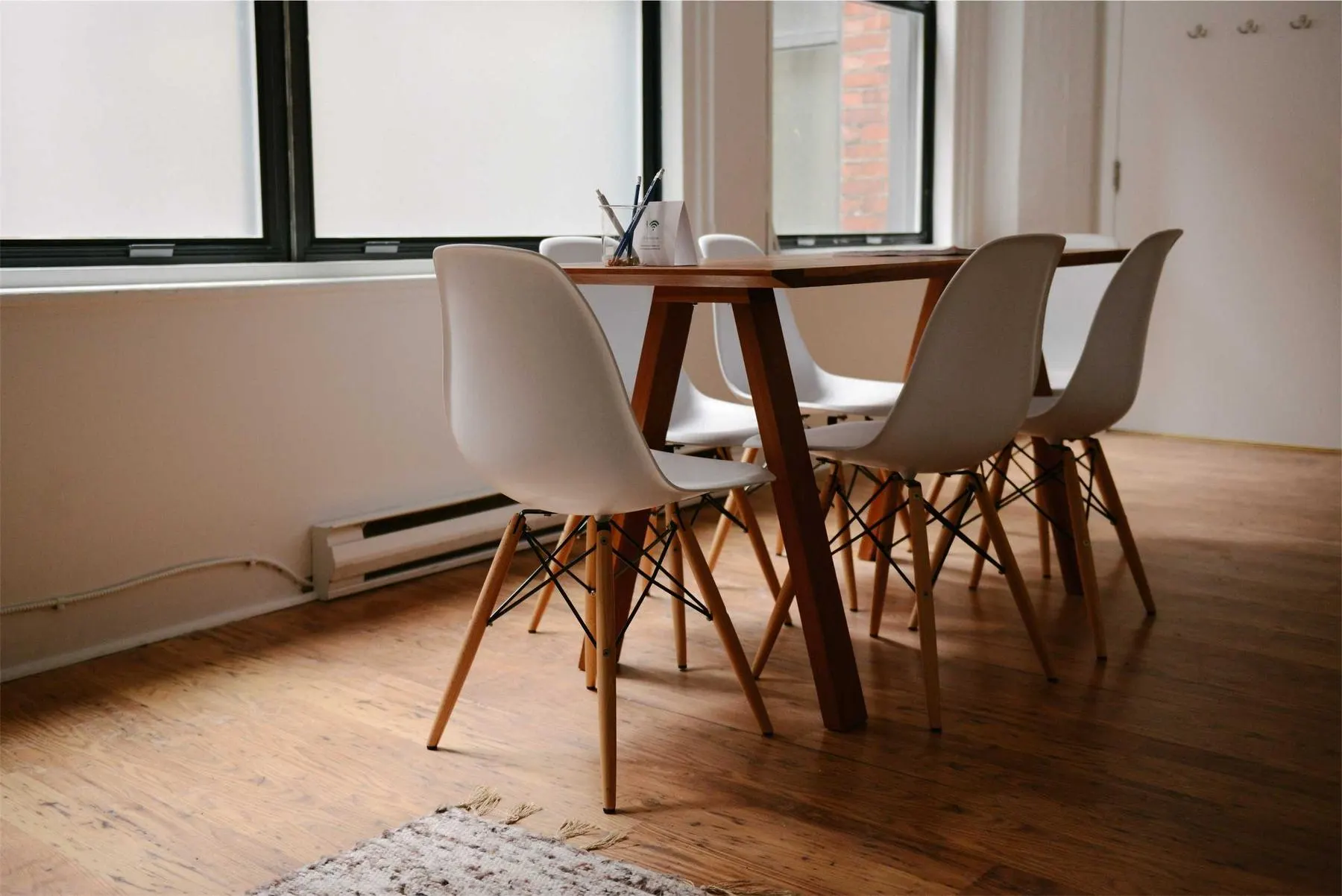
The argument against setting a proper table on a weeknight is simple: it’s more work, and nobody is coming. Both are true. The argument for it is harder to put into words, but I’ll try. Setting the table is a way of telling the evening that it has begun. It draws a line between the part of the day that belongs to other people — the job, the commute, the messages — and the part that belongs to you and whoever you live with. It takes about four minutes.
It also changes how you eat. Food set down on a cleared table, with a napkin beside it and a glass of water poured, gets eaten more slowly. People sit. They look at each other. Conversation happens, or a comfortable silence does, which is just as good. Children, in my experience, are far more likely to stay at a table that looks as if someone expected them there.
None of this requires good china, or matching anything. It requires only a decision, made fresh each evening, that this meal counts.
Setting the table is a way of telling the evening that it has begun.
The bread question
If one thing turns a weeknight supper into a meal, it is bread. Not necessarily bread you made, though I’ll come to that. Just a good loaf set out on a board with a knife, so that people cut their own. Slicing or tearing bread at the table slows everyone down and draws them in. It is the oldest form of sharing food, and it still works.
I bake once a week, usually on a Sunday: a plain loaf that is mostly flour, water, salt and time. By Tuesday it has lost its crackle but gained something better. It toasts beautifully, and it is exactly right for dragging through the last of a bowl of soup. If you don’t bake, buy a loaf from the best place near you and don’t apologize for it. Warm it in the oven for five minutes before dinner. The kitchen will smell as if someone has been looking after you.
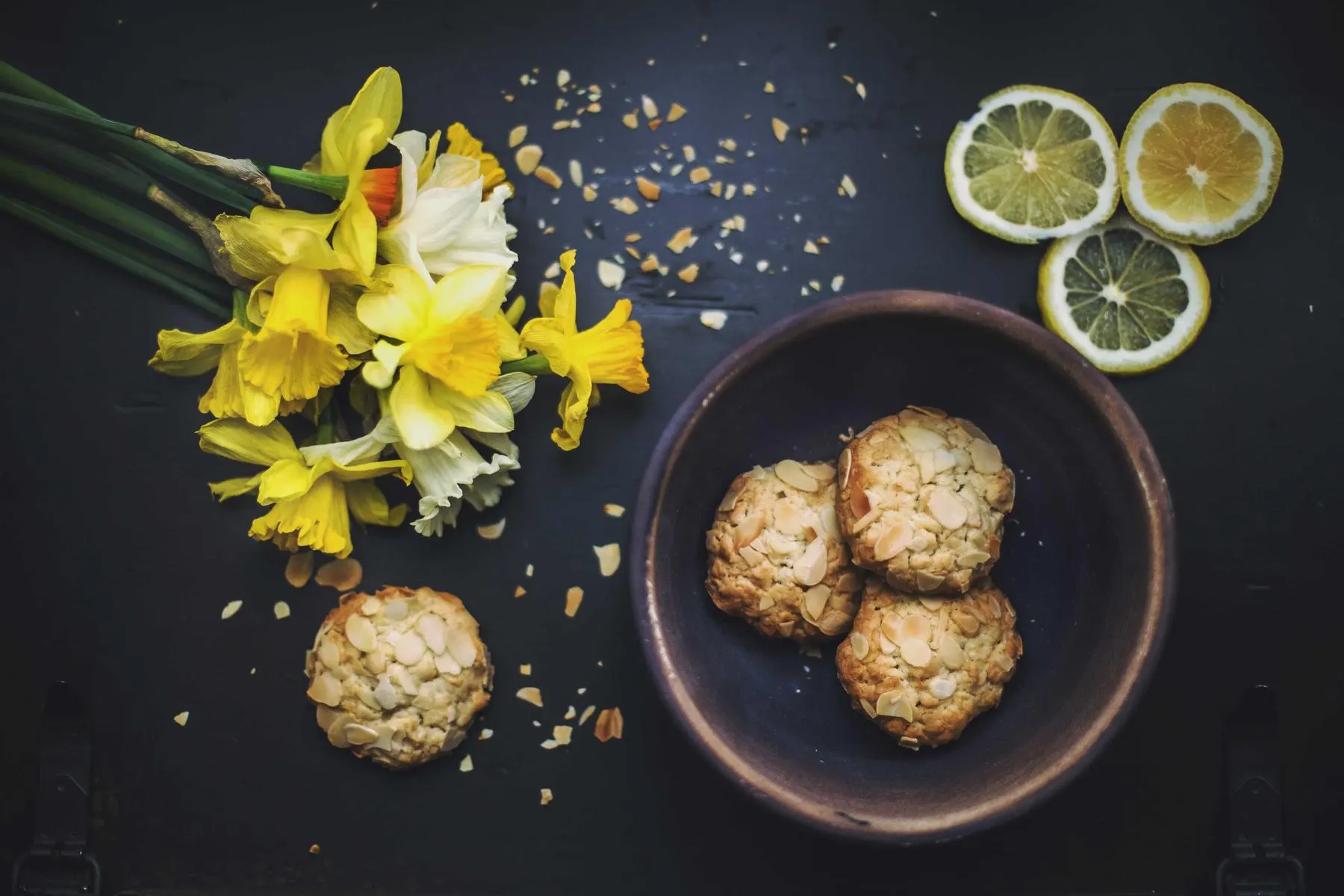
And the butter should be soft. This is the most neglected detail of the weeknight table, and the easiest to fix. Take it out of the fridge when you get home. By the time the soup is ready it will spread without tearing the bread, and nobody will have to perform surgery with a cold knife.
A soup that waits for you
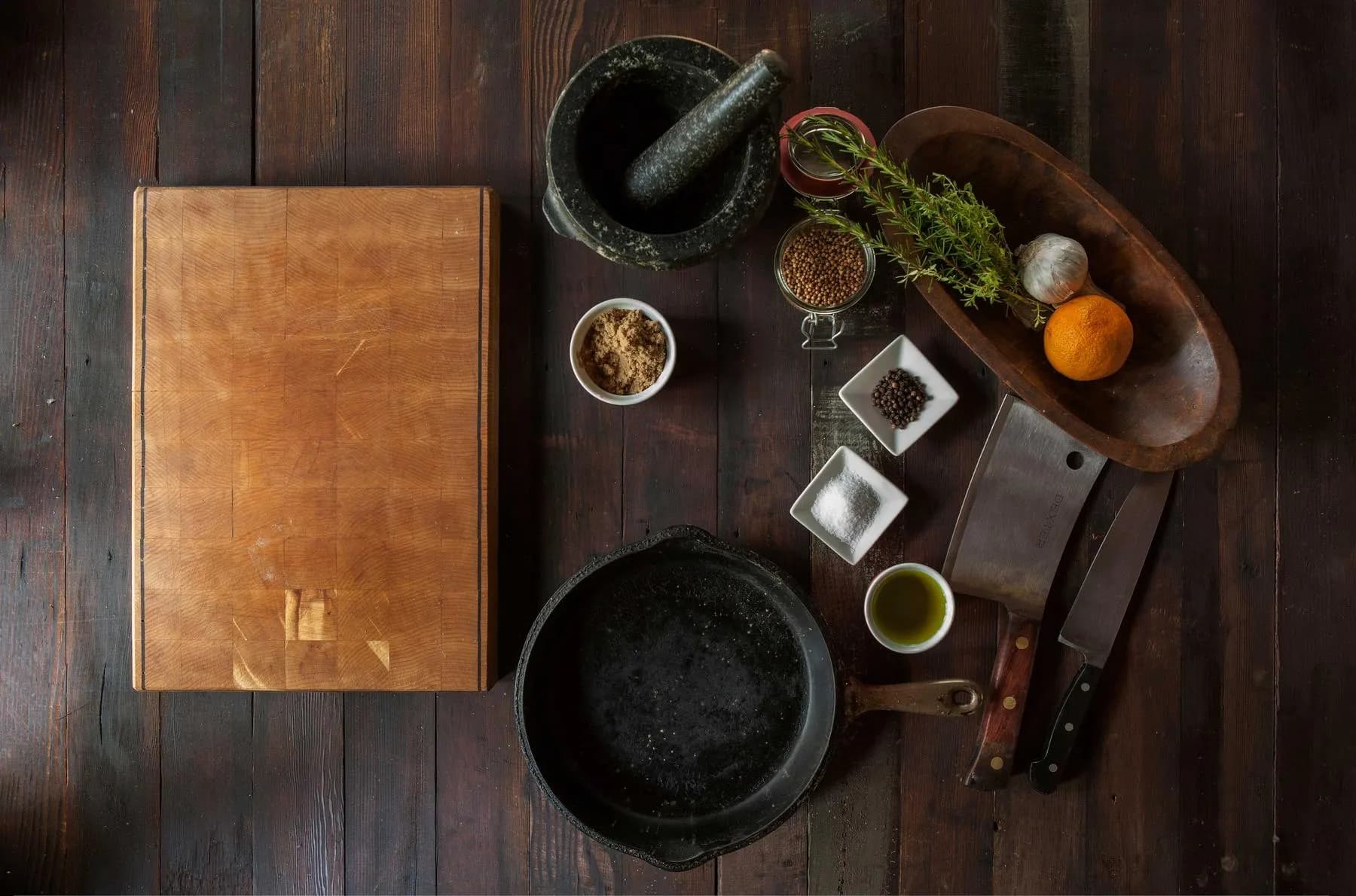
My weeknight soup is less a recipe than a habit. An onion, softened slowly in oil with a pinch of salt. Whatever vegetables are going soft in the drawer — carrots, a wedge of squash, half a leek, the stalks of a broccoli whose florets went into something else. A handful of red lentils or a tin of beans. Water or stock to cover, a bay leaf if there is one, then the lid half on and the heat low for forty minutes while I do other things.
The beauty of soup is that it waits. It doesn’t mind if you’re late home, or if someone needs help with homework, or if the phone rings. It gets better for sitting. At the end I taste it and decide what it needs, which is almost always more salt and a squeeze of lemon, and sometimes a spoonful of something from a jar at the back of the fridge: a little miso, a little chili paste, the end of a pesto. Then I ladle it into warm bowls. Warm the bowls. Fill them with hot water from the kettle while you lay the table, and tip it out just before serving. It is a difference you can feel in your hands.
A soup and a good loaf is, to my mind, a complete meal. Add a bowl of something green dressed with oil and vinegar, a wedge of cheese or a plate of sliced apples, and it becomes a generous one.
If there are leftovers, so much the better. Tomorrow’s lunch is already made, and the day after that the last of the pot can be thinned with a little water, stirred through with a handful of greens and served as something else entirely. Nobody has ever complained.
Cloth, light and a jug of water
I switched to cloth napkins years ago, mostly out of guilt about paper, and found that they changed the table more than anything else I’ve tried. They needn’t be fine. Mine are cheap cotton, washed so many times they have gone soft as handkerchiefs, in four colors that don’t match. I wash them with the tea towels and never iron them; the creases are part of their charm. Everyone in the house has a favorite. Folded beside a plate, a cloth napkin says sit down, stay a while. Paper says this will be over soon.
Light matters more than people expect. The overhead bulb that serves perfectly well for chopping onions is far too bright for eating. Switch it off and use a lamp, or the light over the stove, or a candle; one is enough. Faces soften. The room seems to draw in around the table. Even a hurried meal feels less hurried in low light.
And put water on the table, in a jug or a bottle, with the glasses already set out. It sounds trivial. It is trivial. But it means nobody has to get up, and a meal where nobody has to get up is already halfway to being a pleasure.
What makes it feel considered
If you want a short list to tape inside a cupboard door, here is mine. None of it takes more than a few minutes, and none of it costs much.
- Clear the table completely before you set it — the post, the keys, the laptop. A clear surface is half the effect.
- Lay a cloth or a runner, even an old one, or simply wipe the table and leave the wood bare.
- Use cloth napkins, and let everyone keep the same one through the week if they like.
- Put out a loaf on a board with a knife, and butter that has had time to soften.
- Warm the bowls or plates.
- Fill a jug of water and set out the glasses before anyone sits down.
- Turn off the overhead light and use a lamp or a single candle.
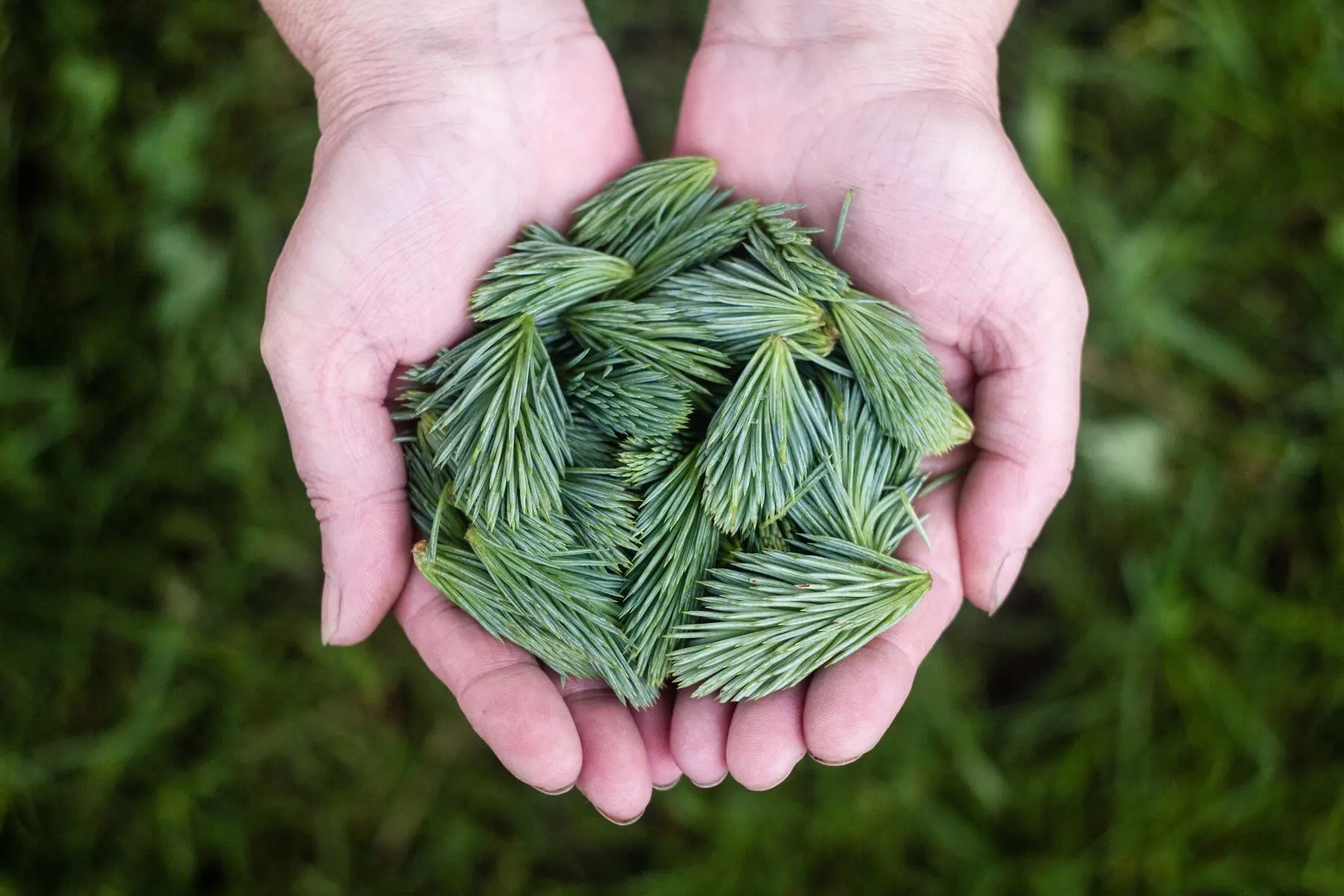
- Bring one small thing in from outside: a sprig of rosemary in a glass, a few leaves, a single flower.
- Sit down together, even for fifteen minutes, and leave the phones in another room.
That last one is the hardest, and the one that matters most. Everything else is just a way of making it easier.
There will be nights when none of this happens, when dinner is toast eaten over the sink and that is all anyone can manage. That’s fine. The table will still be there tomorrow. But on the evenings when you can give it four minutes, I think you’ll find what I found: that an ordinary Tuesday, treated with a little ceremony, has a way of becoming the kind of evening you remember.