PlacesPhoto essay
Morning light on the harbour
Between first light and seven o’clock, a small fishing harbour moves from a single deep blue to raking gold. A photo essay about tone, patience and quiet early work.
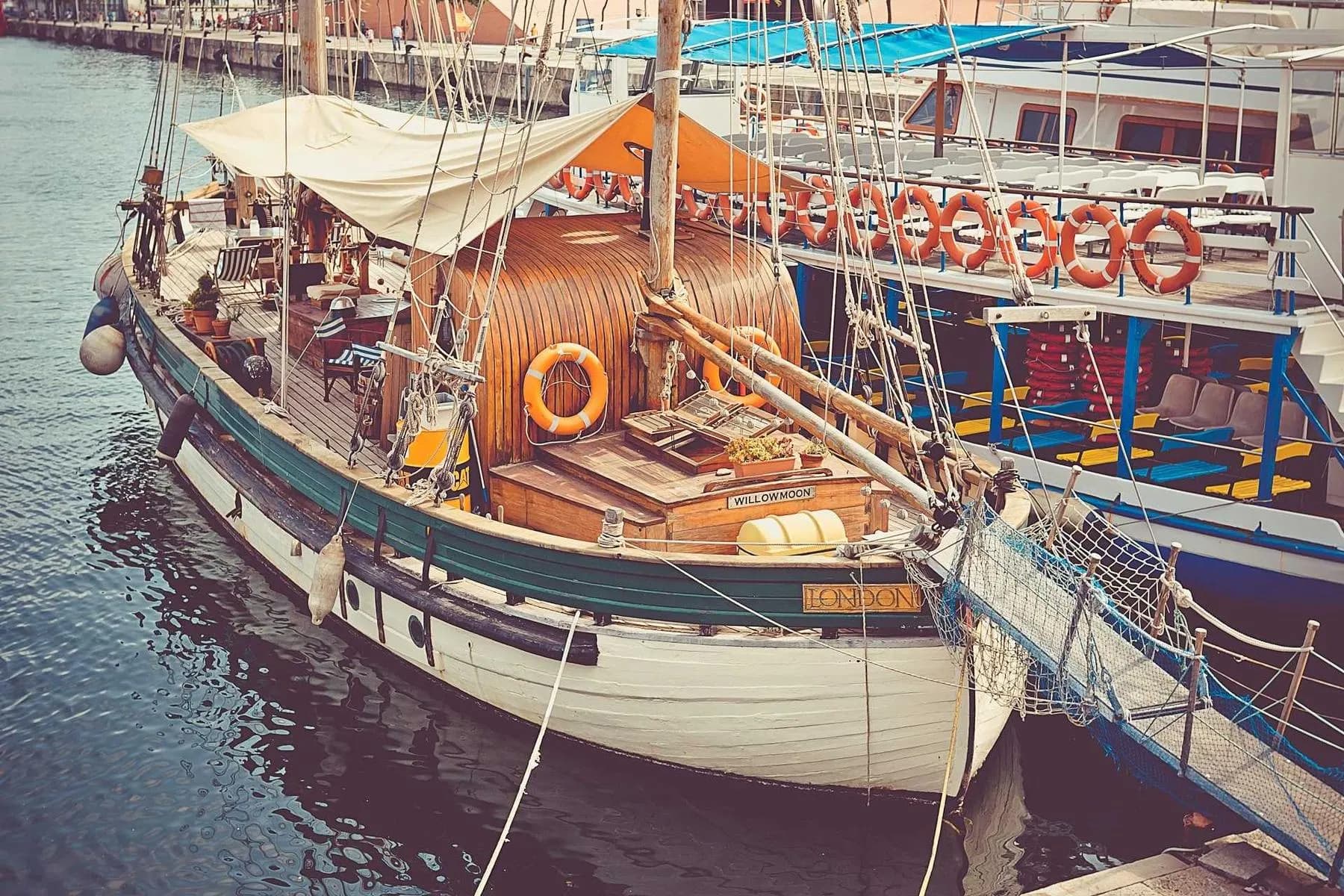
I arrive at twenty past five, which is too early. The harbour is still a single color — a deep, granular blue that sits on the water, the stone quay and the hulls alike, so that nothing has an edge yet. It is the blue of a photograph underexposed by two stops. I set the tripod down and do nothing for a while.
This is the part of dawn that cameras handle worst and eyes handle best. The meter wants more light than there is. The eye simply adjusts, and begins to separate things: the white of a wheelhouse, a coil of orange rope, the pale seam where the slipway meets the water.
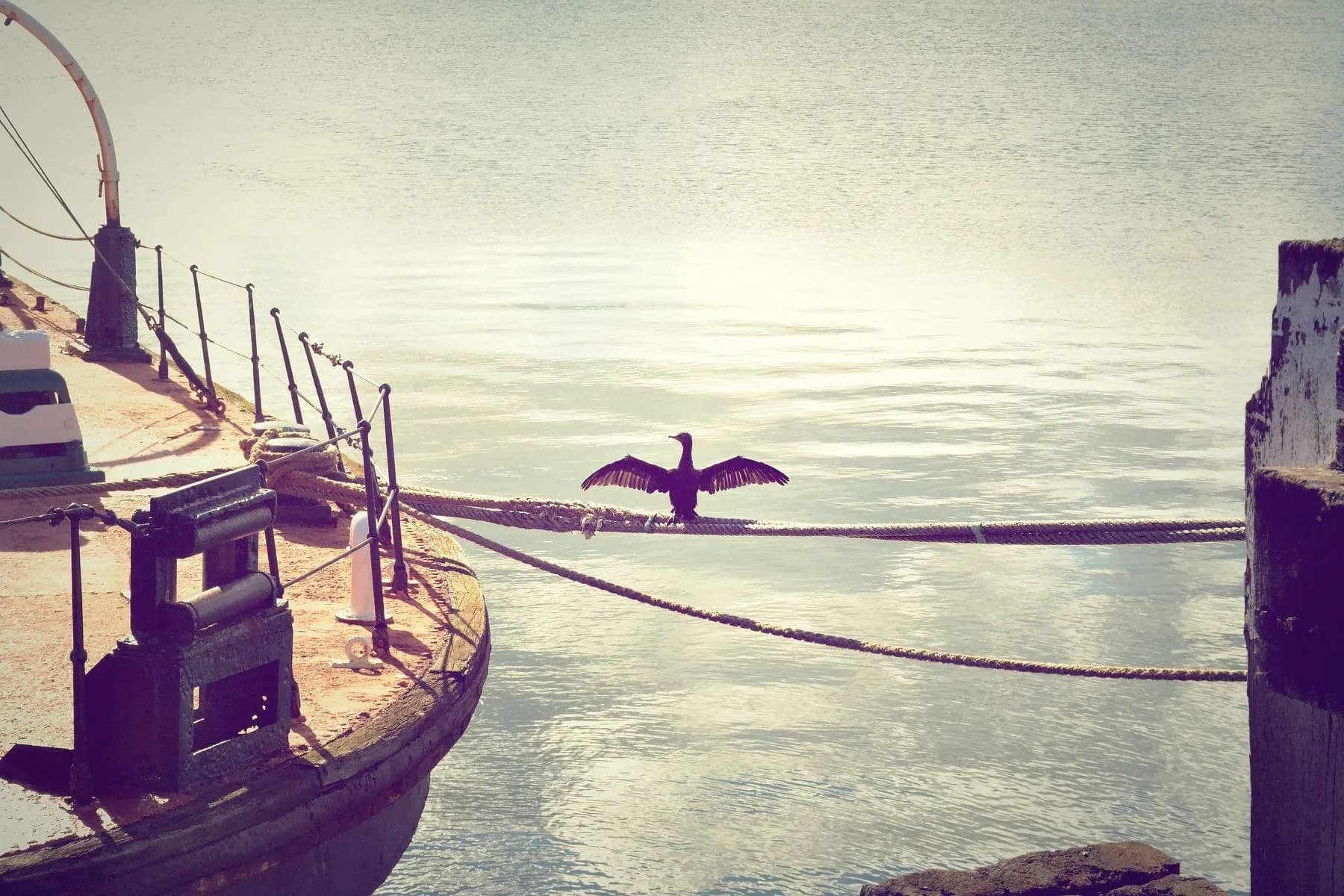
The first people are already here. A man in a dark sweater is hosing down the deck of a small blue boat, and the water comes off the stern in a sheet that catches what little light there is. Two women sort crates on the quay without speaking. The work has the rhythm of something done this way, at this hour, for a long time. No one looks at the camera, which is how I prefer it.
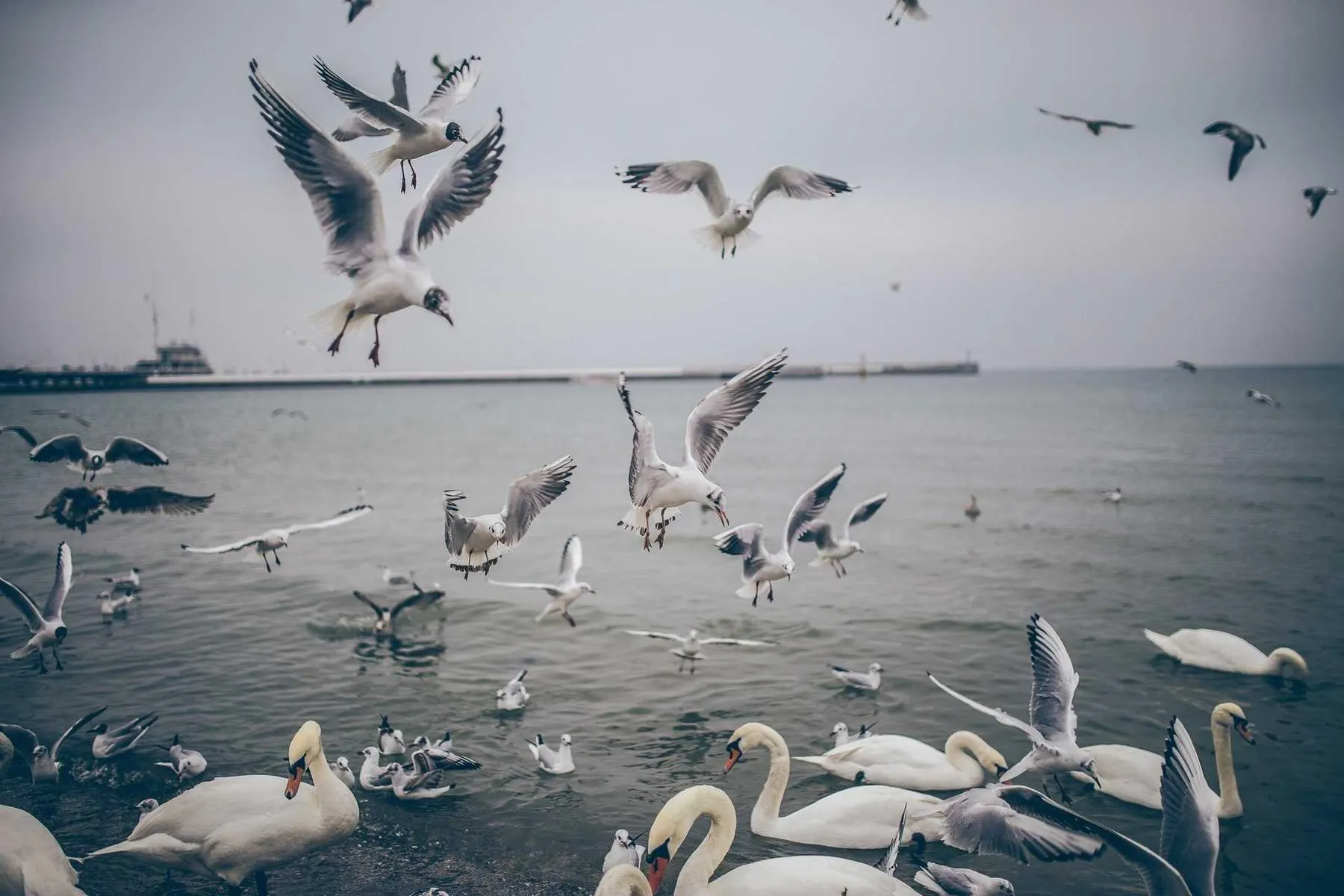
Gulls stand along the harbour wall facing the same direction, into the wind, like passengers waiting for a train.
I change lenses twice in ten minutes and then put the second one away. The light is doing all the work; the equipment is only a way of standing in front of it. I take one reading off the wet stones and another off the sky, and split the difference by eye.
Around ten to six the blue begins to thin. It does not warm, not yet. It goes gray first, a flat pearl-gray that makes everything look briefly drawn in pencil. There is no contrast to lean on. A picture has to be made from tone alone: the darker gray of wet rope against the lighter gray of dry stone.
Then the sun clears the headland, and the change is so sudden it feels almost audible.
The light comes in low and from the side, the way it only does for the first half hour. Every surface it touches turns warm at once — the top edge of the hulls, the rust on a mooring ring, the underside of a gull’s wing as it banks. Shadows stretch across the quay, long and blue, because the shade is still lit by the cold sky while everything else is lit by the sun. That split, gold in the light and blue in the shadow, is the whole reason to be here at this hour. By eight it will be gone, and the harbour will look the way it does on postcards: clear, bright and somehow flatter.
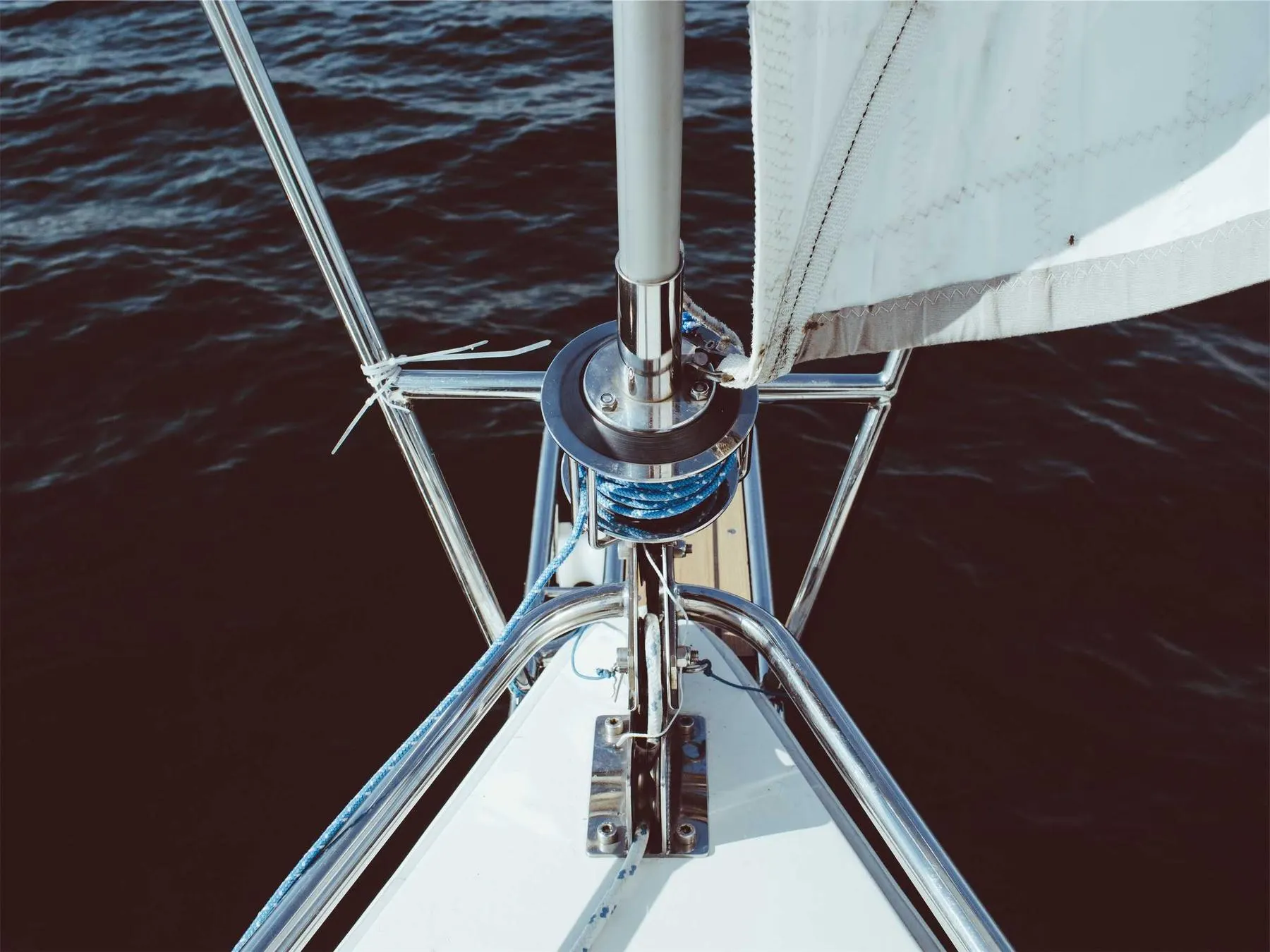
I move closer. Wide pictures are easy in this light; the harbour composes itself. Details are harder and more rewarding. A net draped over a rail, each knot holding a bead of water that glows like a filament. A pair of rubber gloves left palm-up on a crate. The painted name on a bow, worn away so that only the first three letters remain.
The man with the hose has finished. He sits on an upturned bucket with a mug and looks at the water, and for a moment the two of us are doing the same thing for different reasons. I don’t photograph him. Some pictures you leave alone.
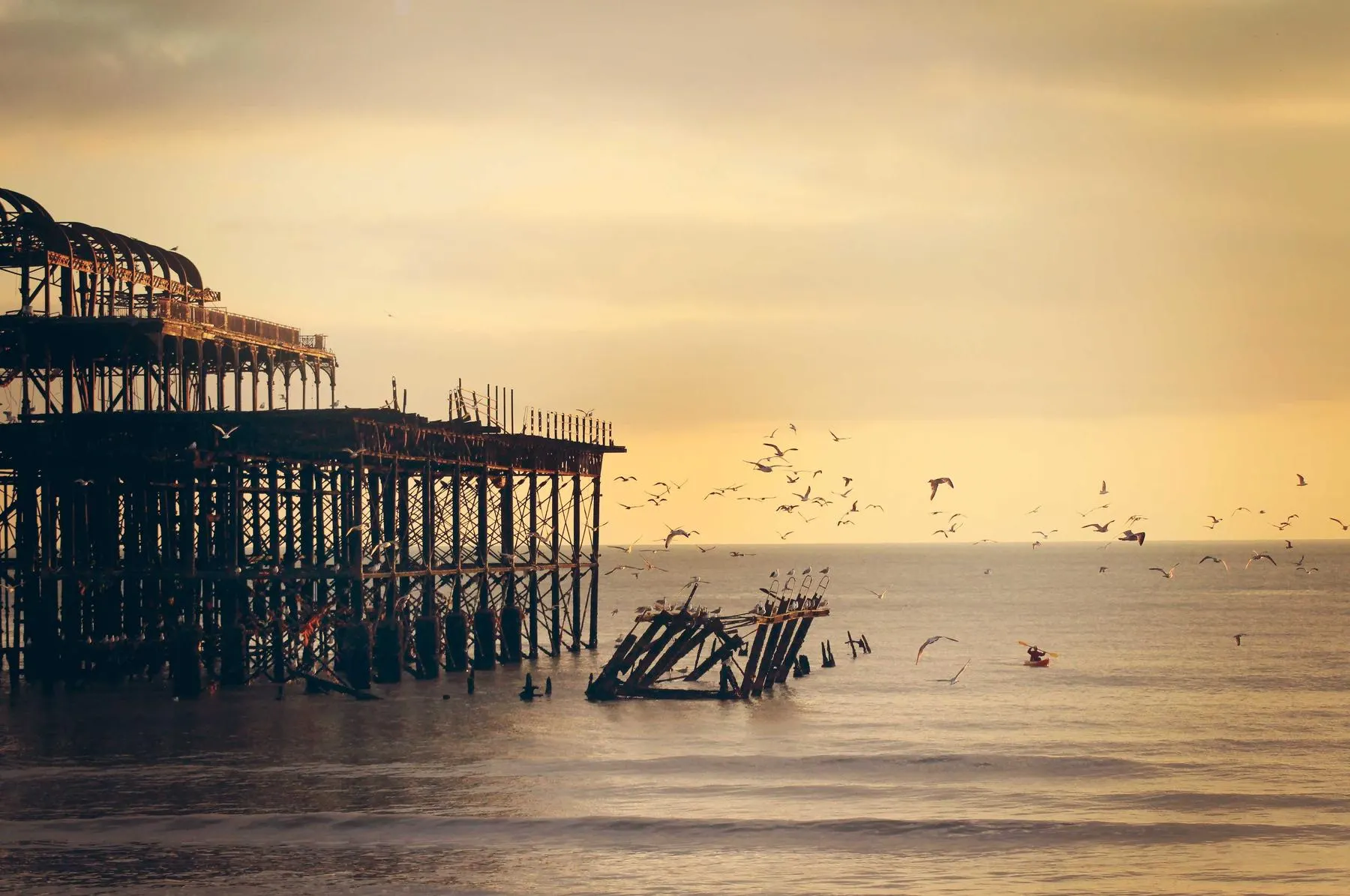
By seven the light has gone yellow, then white. The boats that went out before I arrived come back in, low in the water, trailed by gulls that have suddenly found their voices. A van reverses down the slipway. Someone laughs. The harbour has become a workplace in full daylight, and I am in the way.
Packing up, I notice what I always notice after a morning like this: I have taken far fewer frames than I expected, and spent most of the time watching. Dawn light does not reward speed. It changes too slowly to chase and too quickly to wait out. The best you can do is arrive early, stand still and let the blue become gold around you.