LivingPhoto essay
What we keep on the windowsill
A cutting in a jar, a stone from a beach, a postcard turned toward the glass. Our photo editor spent a year looking at the narrow shelf where light does half the work.
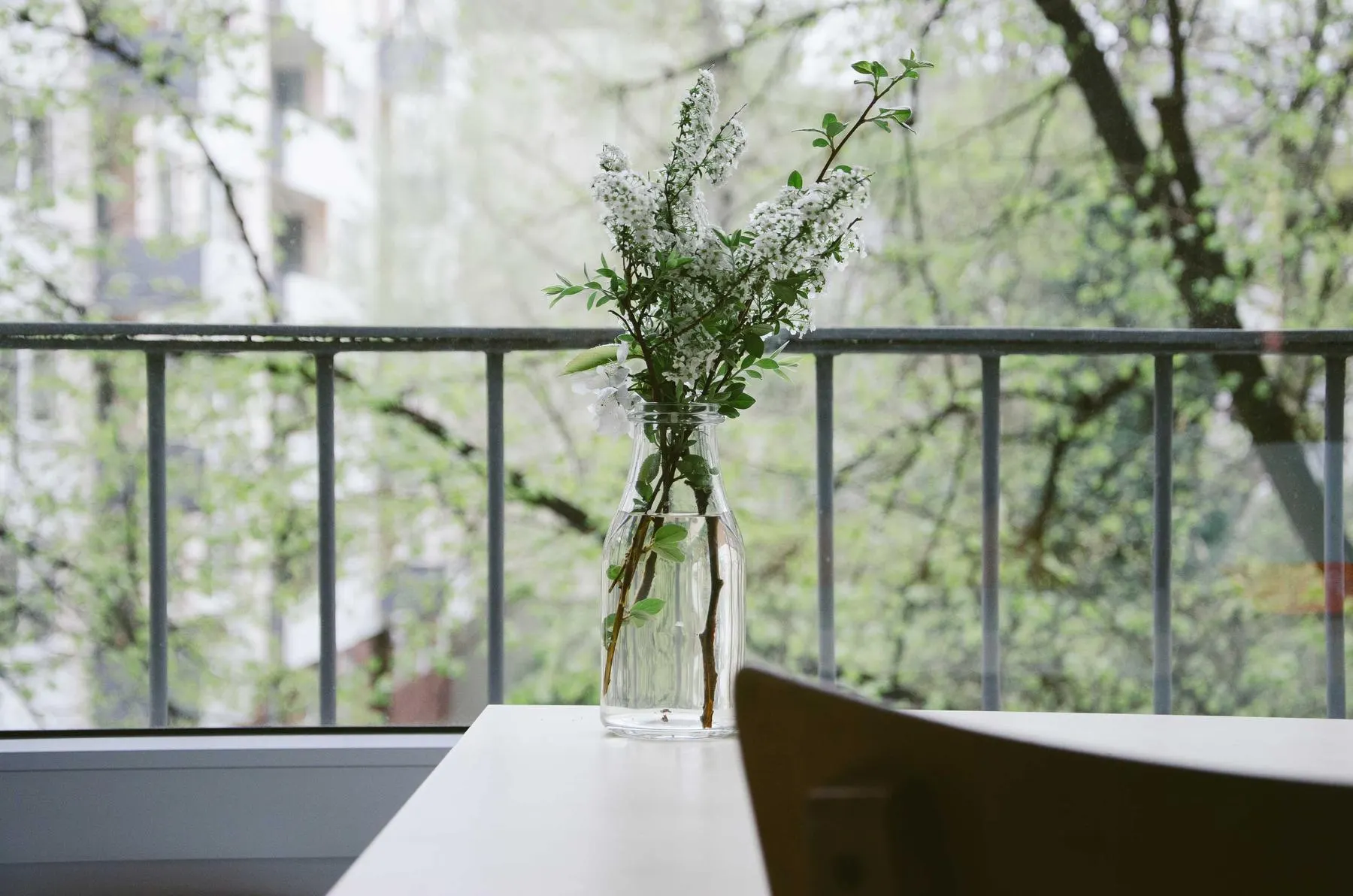
Over the course of a year I asked people if I could photograph their windowsills. Most said yes, then apologized for the dust. A few began rearranging things before I had raised the camera. I asked them, gently, to put everything back.
A windowsill is a narrow shelf with one generous feature: light. Whatever is placed there is lit from behind or from the side for most of the day, and so becomes, without anyone intending it, a small exhibition. The objects change slowly. The light changes constantly.
The most common object was a plant cutting in a jar of water. Pothos, mostly; sometimes a geranium, or a sprig of something taken from a neighbor’s hedge. In the morning the water holds the light and throws it onto the wall as a loose, trembling oval. The roots, white and thread-thin at first, darken as they lengthen. One woman had kept the same cutting in the same jar for three years. She said she kept meaning to plant it. I don’t think she will.
Glass does interesting things on a sill. Old window glass, slightly uneven, bends the street behind it so that a parked car seems to ripple. A green bottle turns the afternoon into something underwater. A clear jar, if it is clean, almost disappears, and you see only a column of water standing in the air.
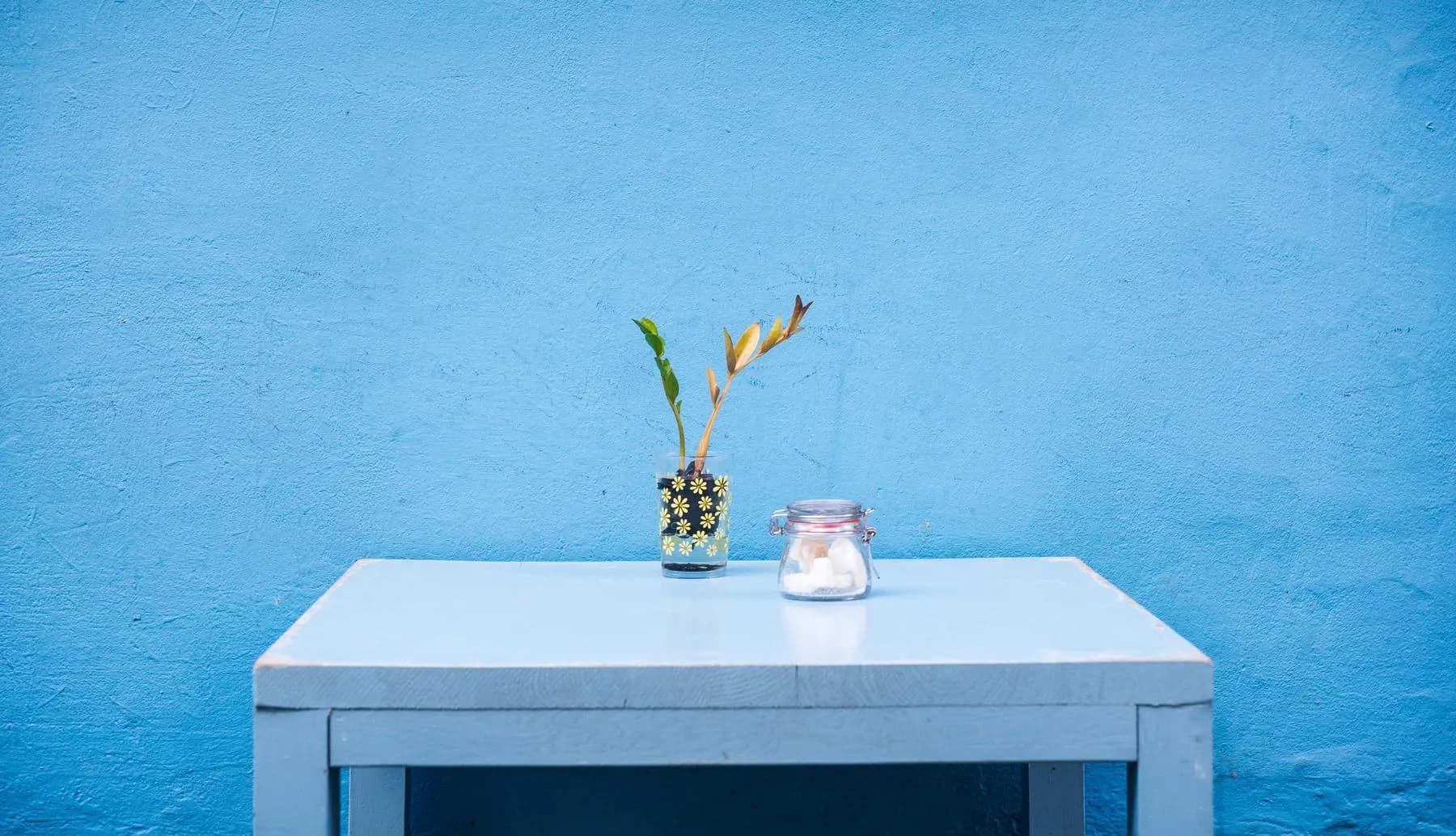
Stones came second, usually from a beach and usually smooth. People rarely remembered which beach. They remembered who they had been with. A man showed me a gray stone with a single white line around its middle and told me his daughter had found it when she was six; she is now older than he was then. The stone sits where the low winter sun reaches it at about three o’clock. For half an hour, the white line glows.
Postcards lean against the glass facing inward, which means the picture is lit from behind and grows faint by noon, like a memory slowly overexposed. Their backs, turned to the street, carry handwriting a passer-by could read by standing close. Nobody does.
Some sills held things with no obvious reason to be there: a spare key, a bicycle light, a lemon slowly going hard. I photographed those too. The light does not discriminate. A lemon on a sill at eight in the morning, lit from one side with its shadow pooled behind it, is as carefully composed as anything in a gallery, and a good deal less guarded. Nobody had placed it. It had simply been left, and the window did the rest.
And cups. A cup on a windowsill is almost always a cup in use: set down between sips, or holding pencils, a toothbrush, a few coins, nothing in particular. It is the most temporary of the objects and somehow the most intimate. On cold mornings, steam from a fresh cup leaves a small round cloud on the glass that fades within a minute. I tried many times to photograph it and succeeded once.
Color on a sill is mostly borrowed. A white cup takes on the blue of an overcast sky at nine and the amber of a low sun at four. A red geranium leaf, backlit, turns almost orange, its veins drawn in darker lines like a map. I learned to shoot early or late and to leave the room lights off, so that the only source was the window and everything on the sill shared the same weather.
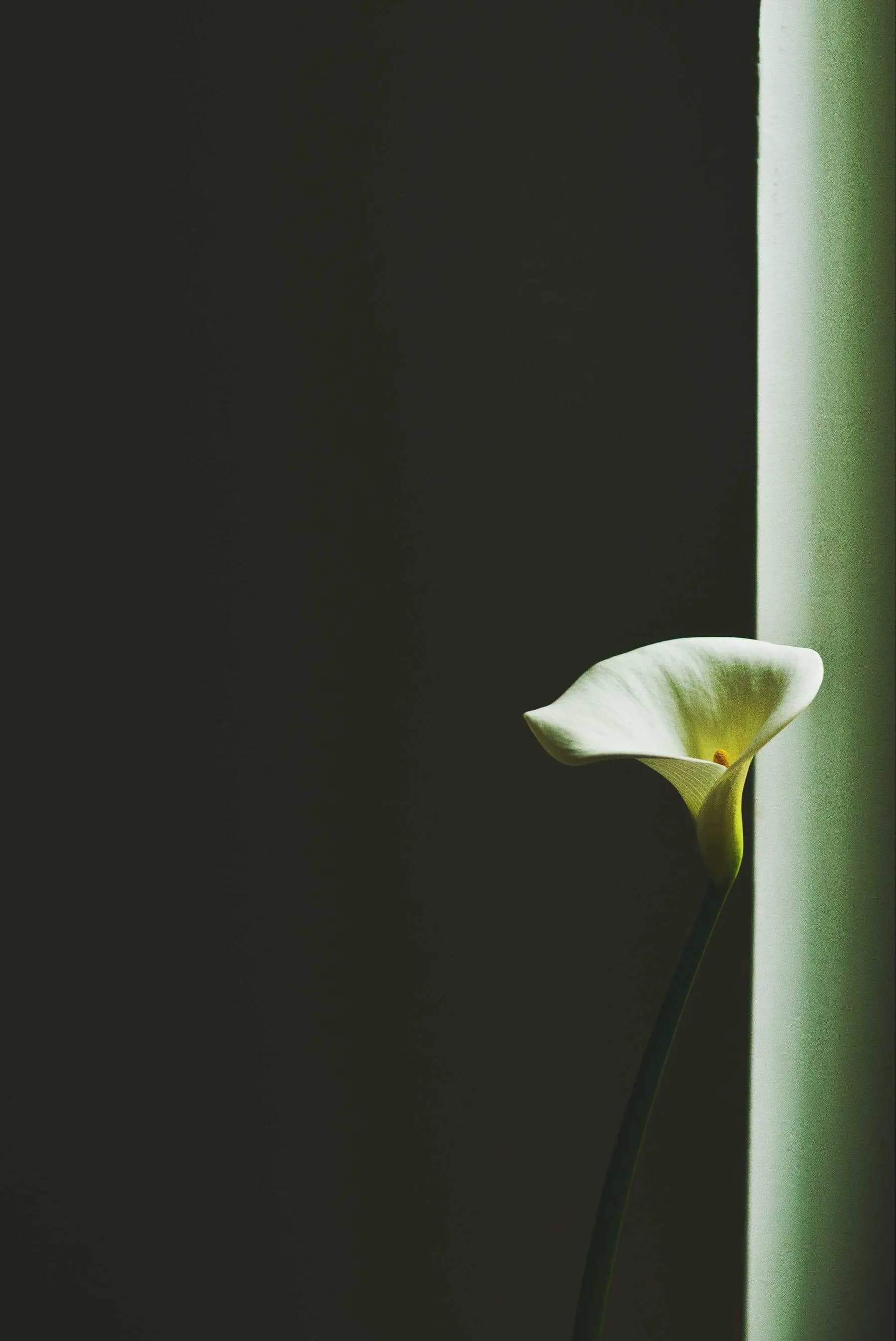
What I learned, mostly, was that the light does half the work. Something ordinary on a table becomes remarkable on a sill — not because it has changed, but because it is now seen against the brightness of the world outside, outlined, held between the room and the street. A windowsill is a threshold. We put things there that we want to keep close and see clearly at the same time.
When I finished each photograph I thanked the owner and left. I like to think the dust settled back exactly where it had been.