CultureNote
The sound of a room
A kitchen at night, a tiled stairwell, a church hall with stacked chairs. A short note on the acoustics of ordinary rooms, and why the sound of a place often outlasts its picture.
My grandmother’s kitchen had a particular sound at night, after the dishes were done and the radio was off. It was not silence. It was the refrigerator settling into its low hum, the tick of the clock above the door, the faint ring of a glass that had been set down a little too hard and was still, somehow, vibrating. I can hear it more clearly now than I can picture the room.
This seems to be true of a surprising number of places I remember. The image fades; the sound stays. I have been trying to understand why.
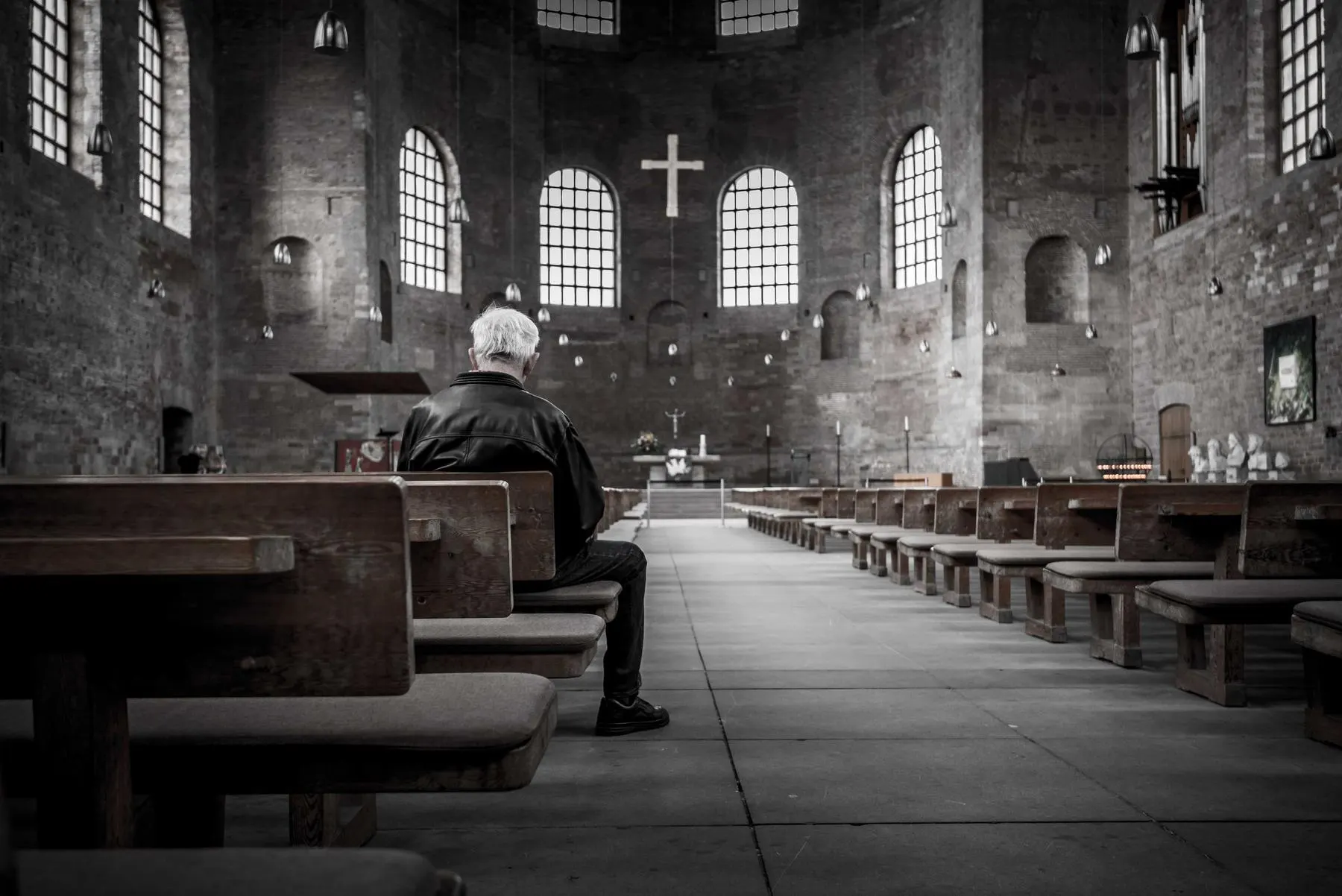
Part of it, I think, is that a room’s sound is its shape made audible. A tiled stairwell holds a voice and throws it back, so that a word spoken on the ground floor arrives at the top changed and lengthened, like something returning from a journey. A carpeted bedroom swallows sound almost before it leaves your mouth. A church hall, the kind with a wooden floor, stacked chairs and a high ceiling, has a loose, generous echo that makes every footstep an announcement and every child’s shout sound like joy.
We rarely notice any of this consciously. We notice it the way we notice temperature: as a feeling about the room rather than a fact. A space that is too live, every sound ricocheting, feels restless. A space that is too dead feels close, as if the walls were nearer than they are. The rooms we love tend to sit somewhere in between, where a voice carries just far enough and then comes softly home.
Since I started noticing, I listen to rooms the way I might look at them. The bathroom of the house I grew up in, where singing sounded better than it had any right to. The stairwell of my first apartment building, where I could tell who was coming home by the rhythm of their steps. A friend’s small kitchen during a dinner party, everyone talking at once, the sound pressed close and warm by a low ceiling and too many people.
Perhaps sound shapes memory so deeply because we cannot close our ears. We look selectively; we choose where to turn our eyes. But we hear everything, all the time, and a room arrives whole, without asking permission. It slips in beneath our attention and stays there.
Tonight, when I finish writing this, I will turn off the lamp and sit for a minute in my own kitchen. The refrigerator will hum. The clock — I have one now, above the door — will tick. And somewhere inside the sound of it, I expect, there will be another kitchen, a long way back, still ringing faintly like a glass set down too hard.